The freedom movement in India was marked by a series of revolutionary movements that emerged in every corner of the nation, giving rise to sentiments of nationalism and a fervent desire for independence. Within the coal mining regions of Jharkhand, located in the hinterland, the exploitative practices of British colonial rule fuelled revolutionary anti-colonial activities that aimed to challenge and resist oppression.
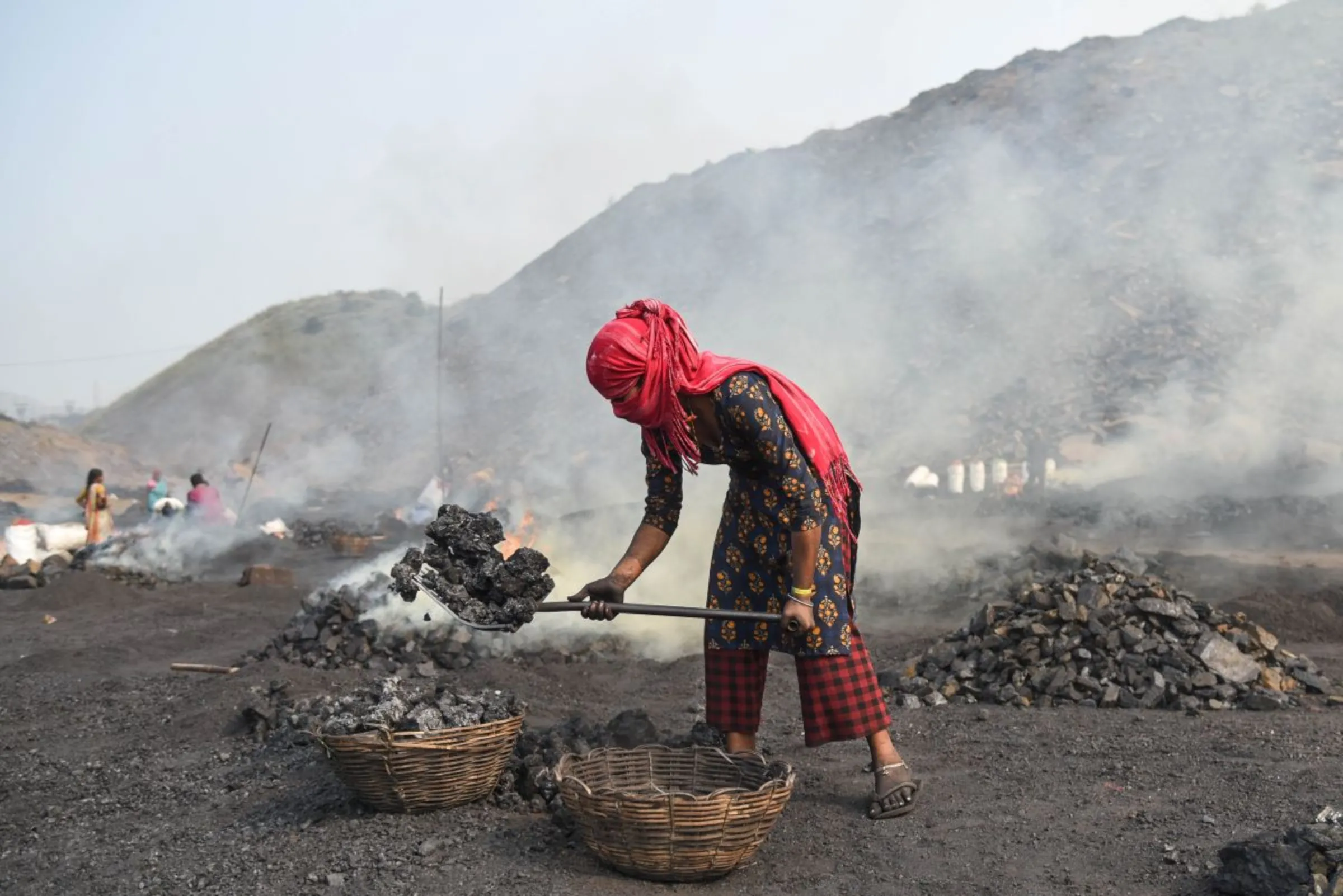
During the 19th century, India witnessed the rise of British industrial activities, with the country's economy serving as a hub for exporting goods such as tea, indigo, and raw materials while simultaneously importing manufactured goods from Manchester and Lancashire. Among these valuable resources, coal extracted from Indian mines emerged as a crucial asset for the British colonial empire. Its demand witnessed a steep rise during World Wars I and II as coal became a major source of energy. The usage of coal, often referred to as "Anggar" in ancient Indian texts, can be traced back to the Mauryan Empire. Throughout the 19th century, individuals hailing from Jharia, Katras in the Dhanbad district, and Rakha mines in East Singhbhum, Jharkhand, actively engaged in coal mining and participated in revolutionary activities associated with the freedom struggle. In the context of colonialism, coal not only served as a means of accumulating capital and national wealth for the colonisers but also held a symbolic value that exceeded the significance of industries such as jute mills or tea plantations during British rule. The coal-rich Damodar region in Jharkhand was regarded as a highly volatile and desirable area for its production. Evidence of coal usage in India can be traced back to the 18th century when two British officials from the English East India Company advised Governor General Warren Hastings of Bengal to explore the production and sale of coal. Other British officials were motivated to use Indian-produced coal due to its availability at a cheaper rate compared to European coal. However, it is important to note that the British government exploited the natural resources of India, including coal, under the guise of moral improvement for the native population, thereby perpetuating a cycle of exploitation. Consequently, coal mining emerged as one of the major industries in colonial India.
Following the formation of the provinces of Odisha and Bihar in 1912, revolutionary nationalism began to take root in Jharkhand. This region played a significant role in the Indian struggle for independence, with the local populace generously funding the Congress anti-British movement. Various revolutionary parties, such as Dacca Anusilan Samiti, Yugantar, and the Hindustan Socialist Republican Association, actively disseminated revolutionary programmes and ideologies in regions such as Jharia, Ghatshila, and Ranchi. These associations established a presence within these areas, garnering support from the local population engaged in the coalfields. Notable revolutionary strongholds in Jharkhand included Hazaribagh, Jharia, Jamshedpur, Deoghar, and Dumka.
By the 1920s, as capitalist elements gained prominence in colonial India, approximately 125,000 individuals in the Jharia region of Dhanbad were directly involved in coal mining. The workforce in these coalfields was predominantly composed of tribal communities. The coalfields across Jharkhand, including those in Jharia, not only played a pivotal role in maximising coal production during the first half of the twentieth century but also provided a conducive environment for carrying out revolutionary activities. These coalfields served as platforms for the manufacturing of explosives, such as bombs and fuses, while also acting as catalysts for igniting waves of nationalism among the local population. Many freedom fighters resorted to acquiring explosives, such as dynamite, from the coalfields of Jharia and Tata Engineering Works in Jamshedpur as part of their radical approach against the colonial government. They obtained these explosives discreetly, without the knowledge of the colliery authorities. Furthermore, these supplies were then distributed by the mining industry to Indian revolutionaries in regions like Chittagong and Dacca.
During the years 1927–1928, a faction of the revolutionary party emerged and operated within the Jharia region. The Indian School of Mines, located in Dhanbad, attracted the attention of these revolutionaries as well. The formation of the Jharia Branch of the Hindustan Socialist Republic Association included members such as Subodh Kumar Das, Bhabesh Chandra Hazra, Jyotirmay Roy, Promotho Nath Ghosh, Nafar Mandai, Amulya Sen, Chunnilal Mukherji, Sadan Sharma, Manoranjan Rai, and Shanti Kumar Rai. As the national movement progressed, these individuals engaged in more radical activities, sourcing explosives from revolutionary hideouts in Kolkata.
In March 1933, the Calcutta police made a significant discovery when they found 78 dynamite sticks in a house occupied by Maya Devi, also known as Nani Bala Gupta. This discovery led to the subsequent exposure of bombs in Jharia and the subsequent arrest of revolutionaries associated with the case. Amarendra Bhattacharji cooperated as an approver, while Jyotirmoy Roy, hailing from Suri village in Birbhum district and employed at Golakdih colliery; Bhavesh Chandra Hazra, son of Satish Chandra Hazra and an employee at Niluripathra colliery, Praa Nath Ghosh, a coal merchant residing in Jharia and originally from Bankura; and Sukhai Goala, employed at a colliery in Jharia, faced charges related to the manufacturing and possession of bombs and explosives for revolutionary purposes. Consequently, all the accused individuals received a rigorous seven-year prison sentence.
Many Revolutionary Nationalists were actively involved in radical activities in and around Dhanbad. Some of these revolutionaries, who had connections with Indian revolutionaries in Burma, sought initiation within the coalfields of Jharia, located in the Dhanbad district. One such instance was the case of Bhupendranath Dutta, who initiated Subodh Kumar Das into the revolutionary cause. Additionally, Amrendra, a revolutionary hailing from Bengal, also became engrossed in these revolutionary ideas.
A significant link between Kolkata and the revolutionary activities in Dhanbad was Chunnilal Mukherjee, who enrolled at the Jharia Raj School. His presence provided a vital connection between the revolutionaries in Kolkata and those operating in the coal-rich region. Haran Chandra from HSRA extended his revolutionary influence to various regions within Jharkhand as he broadened his engagement beyond his initial sphere. He also assumed leadership of the Chakradharpur organisation. He maintained active connections with revolutionary parties in Ranchi, Purulia, Jharia, and Ghatshila. He took a keen interest in nurturing promising young individuals who displayed potential as future revolutionaries.
However, Haran's activities eventually caught the attention of authorities, leading to his expulsion in 1934. Alongside him, a considerable number of revolutionaries from different political parties were actively involved in spreading revolutionary principles and participating in conspiracies within the confines of Jamshedpur. Notably, cases involving the production of bombs were traced back to Tata's work.
These individuals operated clandestinely, with their activities often hidden from the watchful eyes of the colonial authorities. They shared a common vision of freeing the nation from the oppressive shackles of colonial rule, and they utilised the coalfields of Jharia as a strategic location for their revolutionary endeavours. The coalfields not only provided a means to acquire explosives but also served as a hub for secret meetings, coordination, and planning. The revolutionary network extended beyond the borders of Dhanbad, reaching into neighbouring regions. This allowed for the exchange of ideas, strategies, and support among like-minded revolutionaries, further fueling the flames of resistance against the colonial government. In this era of radical defiance, the coalfields of Jharia became a significant chapter in the revolutionary history of India, where brave souls fought tirelessly to realise the dream of a free and independent nation.
Revolutionary activities in Jharkhand gradually subsided by 1935 due to a combination of factors, including the unfortunate occurrence of earthquakes that claimed the lives of numerous revolutionaries. On the other side, the Congress party intensified its efforts in the late 1930s, actively engaging with the mine workers in Jharia and the surrounding areas. Notably, a significant number of these Congress workers were local Bengalis who played a vital role in the revolutionary movement within the region. This amalgamation of violent and non-violent methods became characteristic of the freedom struggle in Jharkhand, mirroring the broader trends observed throughout India. The sacrifices made by the courageous revolutionary youths deeply resonated with the people, serving as a powerful inspiration during the latter phase of the freedom movement.
Therefore, the revolutionary movements intertwined with coal mining in Jharkhand bear immense significance within India's anti-colonial struggle. The exploitative practices employed by British colonisers in harnessing the region's abundant coal resources sparked a fervent spirit of nationalism and resistance against colonial domination. The coalfields of Jharkhand emerged as pivotal hotspots, nurturing revolutionary activities and acting as strongholds of defiance against the oppressive British regime. These movements shed light on the multi-faceted nature of India's fight for freedom, illustrating the diverse individuals and regions that contributed to shaping the nation's destiny. The coalfields of Jharkhand served as epicentres of resistance, where courageous revolutionaries sought to challenge the status quo and overthrow the yoke of colonialism. The exploitation and deprivation endured by the local population fueled their determination to reclaim their rights and dignity. The revolutionaries, driven by a deep sense of patriotism and a longing for independence, strategically utilised the coalfields as sources of explosives, meeting points for secret discussions, and bases for revolutionary operations. The coalfields became symbolic battlegrounds where the aspirations of a nation converged, empowering individuals to rise against oppressive forces.
The revolutionary movements in the coal mining regions of Jharkhand represent a significant chapter in India's history, reminding us of the sacrifices, resilience, and unwavering spirit displayed by those who fought for a free and independent nation.
भारत में स्वतंत्रता आंदोलन की पहचान क्रांतिकारी आंदोलनों की एक श्रृंखला से हुई, जो देश के हर कोने में उभरे, जिससे राष्ट्रवाद की भावना और स्वतंत्रता की उत्कट इच्छा पैदा हुई। झारखंड के कोयला खनन क्षेत्रों में, जो भीतरी इलाकों में स्थित है, ब्रिटिश औपनिवेशिक शासन की शोषणकारी प्रथाओं ने क्रांतिकारी उपनिवेश-विरोधी गतिविधियों को बढ़ावा दिया, जिसका उद्देश्य उत्पीड़न को चुनौती देना और उसका विरोध करना था।
19वीं शताब्दी के दौरान, भारत ने ब्रिटिश औद्योगिक गतिविधियों का उदय देखा, जिसमें देश की अर्थव्यवस्था चाय, नील और कच्चे माल जैसे सामानों के निर्यात के लिए एक केंद्र के रूप में काम करती थी, जबकि साथ ही मैनचेस्टर और लंकाशायर से निर्मित सामान आयात करती थी। इन मूल्यवान संसाधनों में, भारतीय खानों से निकाला गया कोयला ब्रिटिश औपनिवेशिक साम्राज्य के लिए एक महत्वपूर्ण संपत्ति के रूप में उभरा। प्रथम और द्वितीय विश्व युद्ध के दौरान इसकी मांग में भारी वृद्धि देखी गई क्योंकि कोयला ऊर्जा का एक प्रमुख स्रोत बन गया। कोयले का उपयोग, जिसे अक्सर प्राचीन भारतीय ग्रंथों में "अंगार" के रूप में संदर्भित किया जाता है, मौर्य साम्राज्य से जुड़ा हुआ है। 19वीं शताब्दी के दौरान, धनबाद जिले के झरिया, कतरास और झारखंड के पूर्वी सिंहभूम के राखा माइंस से आने वाले लोग सक्रिय रूप से कोयला खनन में लगे रहे और स्वतंत्रता संग्राम से जुड़ी क्रांतिकारी गतिविधियों में भाग लिया। उपनिवेशवाद के संदर्भ में, कोयला न केवल उपनिवेशवादियों के लिए पूंजी और राष्ट्रीय धन संचय करने के साधन के रूप में कार्य करता था, बल्कि इसका एक प्रतीकात्मक मूल्य भी था जो ब्रिटिश शासन के दौरान जूट मिलों या चाय बागानों जैसे उद्योगों के महत्व से अधिक था। झारखंड में कोयला समृद्ध दामोदर क्षेत्र को इसके उत्पादन के लिए अत्यधिक अस्थिर और वांछनीय क्षेत्र माना जाता था। भारत में कोयले के उपयोग के साक्ष्य 18वीं शताब्दी में देखे जा सकते हैं जब अंग्रेजी ईस्ट इंडिया कंपनी के दो ब्रिटिश अधिकारियों ने बंगाल के गवर्नर जनरल वॉरेन हेस्टिंग्स को कोयले के उत्पादन और बिक्री का पता लगाने की सलाह दी हालांकि, यह ध्यान रखना महत्वपूर्ण है कि ब्रिटिश सरकार ने स्थानीय आबादी के नैतिक सुधार की आड़ में कोयले सहित भारत के प्राकृतिक संसाधनों का दोहन किया, जिससे शोषण का चक्र चलता रहा। नतीजतन, कोयला खनन औपनिवेशिक भारत में प्रमुख उद्योगों में से एक के रूप में उभरा।
1912 में ओडिशा और बिहार के प्रांतों के गठन के बाद, झारखंड में क्रांतिकारी राष्ट्रवाद ने जड़ें जमानी शुरू कर दीं। इस क्षेत्र ने भारतीय स्वतंत्रता संग्राम में महत्वपूर्ण भूमिका निभाई, स्थानीय लोगों ने कांग्रेस के ब्रिटिश विरोधी आंदोलन को उदारतापूर्वक वित्त पोषित किया। ढाका अनुशीलन समिति, युगांतर और हिंदुस्तान सोशलिस्ट रिपब्लिकन एसोसिएशन जैसी विभिन्न क्रांतिकारी पार्टियों ने झरिया, घाटशिला और रांची जैसे क्षेत्रों में क्रांतिकारी कार्यक्रमों और विचारधाराओं का सक्रिय रूप से प्रसार किया। इन संगठनों ने इन क्षेत्रों में अपनी उपस्थिति स्थापित की, कोयला क्षेत्रों में लगे स्थानीय लोगों से समर्थन प्राप्त किया। झारखंड में उल्लेखनीय क्रांतिकारी गढ़ों में हजारीबाग, झरिया, जमशेदपुर, देवघर और दुमका शामिल थे।
1920 के दशक तक, जब औपनिवेशिक भारत में पूंजीवादी तत्वों ने प्रमुखता हासिल की, धनबाद के झरिया क्षेत्र में लगभग 125,000 व्यक्ति सीधे कोयला खनन में शामिल थे। इन कोयला क्षेत्रों में कार्यबल मुख्य रूप से आदिवासी समुदायों से बना था। झारखंड के झरिया समेत कोयला क्षेत्रों ने बीसवीं सदी के पहले हिस्से में कोयला उत्पादन को अधिकतम करने में न केवल महत्वपूर्ण भूमिका निभाई, बल्कि क्रांतिकारी गतिविधियों को अंजाम देने के लिए अनुकूल माहौल भी प्रदान किया। इन कोयला क्षेत्रों ने बम और फ़्यूज़ जैसे विस्फोटकों के निर्माण के लिए प्लेटफ़ॉर्म के रूप में काम किया, साथ ही स्थानीय आबादी के बीच राष्ट्रवाद की लहरों को प्रज्वलित करने के लिए उत्प्रेरक के रूप में भी काम किया। कई स्वतंत्रता सेनानियों ने औपनिवेशिक सरकार के खिलाफ़ अपने कट्टरपंथी दृष्टिकोण के तहत झरिया और जमशेदपुर के टाटा इंजीनियरिंग वर्क्स के कोयला क्षेत्रों से डायनामाइट जैसे विस्फोटक हासिल करने का सहारा लिया। उन्होंने इन विस्फोटकों को कोलियरी अधिकारियों की जानकारी के बिना चुपके से प्राप्त किया। इसके अलावा, इन आपूर्तियों को तब खनन उद्योग द्वारा चटगाँव और ढाका जैसे क्षेत्रों में भारतीय क्रांतिकारियों को वितरित किया गया था।
वर्ष 1927-1928 के दौरान, क्रांतिकारी पार्टी का एक गुट उभरा और झरिया क्षेत्र के भीतर काम किया। धनबाद में स्थित इंडियन स्कूल ऑफ़ माइंस ने भी इन क्रांतिकारियों का ध्यान आकर्षित किया। हिंदुस्तान सोशलिस्ट रिपब्लिक एसोसिएशन की झरिया शाखा के गठन में सुबोध कुमार दास, भबेश चंद्र हाजरा, ज्योतिर्मय रॉय, प्रोमोथो नाथ घोष, नफर मंडई, अमूल्य सेन, चुन्नीलाल मुखर्जी, सदन शर्मा, मनोरंजन राय और शांति कुमार राय जैसे सदस्य शामिल थे। जैसे-जैसे राष्ट्रीय आंदोलन आगे बढ़ा, ये व्यक्ति अधिक कट्टरपंथी गतिविधियों में शामिल हो गए, कोलकाता में क्रांतिकारी ठिकानों से विस्फोटक हासिल करने लगे।
मार्च 1933 में, कलकत्ता पुलिस ने एक महत्वपूर्ण खोज की, जब उन्हें माया देवी, जिन्हें नानी बाला गुप्ता के नाम से भी जाना जाता है, के घर में 78 डायनामाइट की छड़ें मिलीं। इस खोज के कारण झरिया में बमों का पर्दाफाश हुआ और मामले से जुड़े क्रांतिकारियों की बाद में गिरफ्तारी हुई। अमरेंद्र भट्टाचार्जी ने सरकारी गवाह के रूप में सहयोग किया सतीश चंद्र हाजरा के बेटे और निलुरीपथरा कोलियरी के कर्मचारी भावेश चंद्र हाजरा, झरिया में रहने वाले और मूल रूप से बांकुरा के रहने वाले कोयला व्यापारी प्रा नाथ घोष और झरिया की एक कोलियरी में काम करने वाले सुखाई गोआला पर क्रांतिकारी उद्देश्यों के लिए बम और विस्फोटक बनाने और रखने से संबंधित आरोप लगे। नतीजतन, सभी आरोपियों को सात साल की कठोर जेल की सजा मिली।
धनबाद और उसके आस-पास कई क्रांतिकारी राष्ट्रवादी कट्टरपंथी गतिविधियों में सक्रिय रूप से शामिल थे। इनमें से कुछ क्रांतिकारियों, जिनका बर्मा में भारतीय क्रांतिकारियों से संबंध था, ने धनबाद जिले में स्थित झरिया के कोयला क्षेत्रों में दीक्षा ली। ऐसा ही एक उदाहरण भूपेंद्रनाथ दत्ता का मामला था, जिन्होंने सुबोध कुमार दास को क्रांतिकारी कारण से परिचित कराया। इसके अलावा, बंगाल से आए एक क्रांतिकारी अमरेंद्र भी इन क्रांतिकारी विचारों में डूब गए।
कोलकाता और धनबाद में क्रांतिकारी गतिविधियों के बीच एक महत्वपूर्ण कड़ी चुन्नीलाल मुखर्जी थे, जिन्होंने झरिया राज स्कूल में दाखिला लिया था। उनकी उपस्थिति ने कोलकाता में क्रांतिकारियों और कोयला-समृद्ध क्षेत्र में सक्रिय लोगों के बीच एक महत्वपूर्ण संबंध प्रदान किया। एचएसआरए के हरन चंद्र ने झारखंड के विभिन्न क्षेत्रों में अपने क्रांतिकारी प्रभाव को बढ़ाया क्योंकि उन्होंने अपने शुरुआती क्षेत्र से आगे बढ़कर अपनी भागीदारी को बढ़ाया। उन्होंने चक्रधरपुर संगठन का नेतृत्व भी संभाला। उन्होंने रांची, पुरुलिया, झरिया और घाटशिला में क्रांतिकारी दलों के साथ सक्रिय संबंध बनाए रखे। उन्होंने ऐसे होनहार युवा व्यक्तियों को पोषित करने में गहरी दिलचस्पी दिखाई, जिन्होंने भविष्य के क्रांतिकारी के रूप में क्षमता दिखाई। हालांकि, हरन की गतिविधियों ने अंततः अधिकारियों का ध्यान आकर्षित किया, जिसके कारण 1934 में उन्हें निष्कासित कर दिया गया। उनके साथ-साथ, विभिन्न राजनीतिक दलों के काफी संख्या में क्रांतिकारी जमशेदपुर की सीमाओं के भीतर क्रांतिकारी सिद्धांतों को फैलाने और षड्यंत्रों में भाग लेने में सक्रिय रूप से शामिल थे। उल्लेखनीय रूप से, बमों के उत्पादन से जुड़े मामलों का पता टाटा के काम से लगाया गया।
ये व्यक्ति गुप्त रूप से काम करते थे, उनकी गतिविधियाँ अक्सर औपनिवेशिक अधिकारियों की चौकस निगाहों से छिपी रहती थीं। वे देश को औपनिवेशिक शासन की दमनकारी बेड़ियों से मुक्त करने के एक साझा दृष्टिकोण को साझा करते थे, और उन्होंने अपने क्रांतिकारी प्रयासों के लिए झरिया के कोयला क्षेत्रों को एक रणनीतिक स्थान के रूप में उपयोग किया। कोयला क्षेत्र न केवल विस्फोटक प्राप्त करने का साधन प्रदान करते थे, बल्कि गुप्त बैठकों, समन्वय और योजना के लिए एक केंद्र के रूप में भी काम करते थे। क्रांतिकारी नेटवर्क धनबाद की सीमाओं से आगे बढ़कर पड़ोसी क्षेत्रों तक पहुँच गया। इसने समान विचारधारा वाले क्रांतिकारियों के बीच विचारों, रणनीतियों और समर्थन के आदान-प्रदान की अनुमति दी, जिसने औपनिवेशिक सरकार के खिलाफ प्रतिरोध की लपटों को और भड़का दिया। उग्र विद्रोह के इस युग में, झरिया के कोयला क्षेत्र भारत के क्रांतिकारी इतिहास में एक महत्वपूर्ण अध्याय बन गए, जहाँ बहादुर आत्माओं ने एक स्वतंत्र और स्वतंत्र राष्ट्र के सपने को साकार करने के लिए अथक संघर्ष किया।
1935 तक झारखंड में क्रांतिकारी गतिविधियाँ कई कारकों के संयोजन के कारण धीरे-धीरे कम हो गईं, जिसमें कई क्रांतिकारियों के जीवन को लीलने वाले भूकंप की दुर्भाग्यपूर्ण घटना भी शामिल थी। दूसरी ओर, कांग्रेस पार्टी ने 1930 के दशक के उत्तरार्ध में अपने प्रयासों को तेज कर दिया, झरिया और आसपास के इलाकों में खदान मजदूरों के साथ सक्रिय रूप से जुड़कर। उल्लेखनीय रूप से, इन कांग्रेस कार्यकर्ताओं में से एक महत्वपूर्ण संख्या स्थानीय बंगाली थे जिन्होंने क्षेत्र के भीतर क्रांतिकारी आंदोलन में महत्वपूर्ण भूमिका निभाई थी। हिंसक और अहिंसक तरीकों का यह समामेलन झारखंड में स्वतंत्रता संग्राम की विशेषता बन गया, जो पूरे भारत में देखे गए व्यापक रुझानों को दर्शाता है। साहसी क्रांतिकारी युवाओं द्वारा किए गए बलिदान लोगों के साथ गहराई से जुड़े थे, जो स्वतंत्रता आंदोलन के बाद के चरण के दौरान एक शक्तिशाली प्रेरणा के रूप में काम करते थे।
इसलिए, झारखंड में कोयला खनन के साथ जुड़े क्रांतिकारी आंदोलन भारत के उपनिवेशवाद विरोधी संघर्ष के भीतर बहुत महत्व रखते हैं। क्षेत्र के प्रचुर कोयला संसाधनों का दोहन करने में ब्रिटिश उपनिवेशवादियों द्वारा अपनाई गई शोषणकारी प्रथाओं ने राष्ट्रवाद की भावना और औपनिवेशिक वर्चस्व के खिलाफ प्रतिरोध को जन्म दिया। झारखंड के कोयला क्षेत्र क्रांतिकारी गतिविधियों को बढ़ावा देने वाले और दमनकारी ब्रिटिश शासन के खिलाफ विद्रोह के गढ़ के रूप में काम करने वाले महत्वपूर्ण केंद्रों के रूप में उभरे। इन आंदोलनों ने भारत की स्वतंत्रता की लड़ाई की बहुआयामी प्रकृति पर प्रकाश डाला, जिसमें राष्ट्र के भाग्य को आकार देने में योगदान देने वाले विविध व्यक्तियों और क्षेत्रों को दर्शाया गया। झारखंड के कोयला क्षेत्र प्रतिरोध के केंद्र के रूप में कार्य करते थे, जहाँ साहसी क्रांतिकारियों ने यथास्थिति को चुनौती देने और उपनिवेशवाद के जुए को उखाड़ फेंकने की कोशिश की। स्थानीय आबादी द्वारा सहे गए शोषण और वंचना ने उनके अधिकारों और सम्मान को पुनः प्राप्त करने के दृढ़ संकल्प को बढ़ावा दिया। देशभक्ति की गहरी भावना और स्वतंत्रता की लालसा से प्रेरित क्रांतिकारियों ने रणनीतिक रूप से कोयला क्षेत्रों का उपयोग विस्फोटकों के स्रोत, गुप्त चर्चाओं के लिए बैठक बिंदु और क्रांतिकारी कार्यों के लिए ठिकानों के रूप में किया। कोयला क्षेत्र प्रतीकात्मक युद्धक्षेत्र बन गए जहां राष्ट्र की आकांक्षाएं एकत्रित हुईं और दमनकारी ताकतों के खिलाफ उठने के लिए व्यक्तियों को सशक्त बनाया गया।
झारखंड के कोयला खनन क्षेत्रों में क्रांतिकारी आंदोलन भारत के इतिहास में एक महत्वपूर्ण अध्याय का प्रतिनिधित्व करते हैं, जो हमें उन लोगों के बलिदान, लचीलेपन और अटूट भावना की याद दिलाते हैं जिन्होंने एक स्वतंत्र और स्वाधीन राष्ट्र के लिए लड़ाई लड़ी।